
Serbia is a smart new option for MBBS in Serbia for Pakistani students who want a European medical degree at a friendly price. The full degree is taught in English, and fees start from about EUR 5,000 a year. This guide covers the universities, real costs, admission steps, the student visa, and a recognition check.
Quick Verdict
- Degree: A 6-year MD degree, equal to MBBS, taught fully in English.
- Top universities: University of Belgrade, University of Novi Sad, University of Nis, and University of Kragujevac.
- Fees: About EUR 5,000 to EUR 8,000 per year, by university.
- Entry: FSc Pre-Medical with good marks. Most students need only a simple English certificate, not IELTS.
- Intake: The main intake starts each October, so summer is the right time to apply.
- Recognition: Check your university on the current PMDC list before applying, then plan for the NRE exam after graduation.
Why Do Pakistani Students Choose Serbia for MBBS?
Serbia gives you a European degree at a cost that feels fair for most families. Even the top public university here costs far less per year than a private medical college in Pakistan.
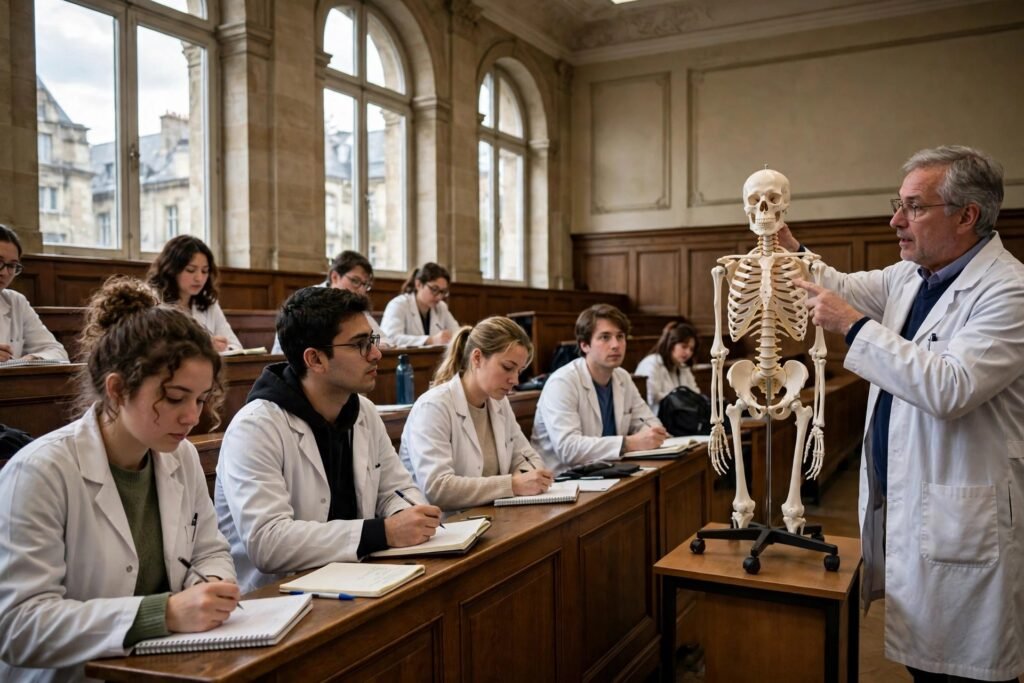
The teaching style is practical from the start. Students learn in modern labs, train in real hospitals, and meet real patients from the middle years. Classes stay small and personal.
Belgrade and the other student cities are safe and welcoming, and many young people speak English. If Serbia is new for you, our complete guide to MBBS abroad for Pakistani students shows how it compares with other popular countries.
Which Medical Universities in Serbia Teach in English?
Four public universities run the full medical degree in English. Each follows the European Bologna system, so your credits use the ECTS format Europe understands well.
University of Belgrade, Faculty of Medicine
Belgrade is the oldest and most famous medical school in Serbia, set in the capital, close to the country’s largest teaching hospitals.
University of Novi Sad, Faculty of Medicine
Novi Sad is a calm, green student city about one hour from Belgrade. Its dedicated office for studies in English keeps the admission steps clear and simple.
University of Nis, Faculty of Medicine
Nis is one of the most budget friendly student cities in Serbia, and living costs are lower than in the capital. The faculty holds its own written entrance test in Biology and Chemistry.
University of Kragujevac, Faculty of Medical Sciences
Kragujevac offers the lowest fees, and classes stay small, so students enjoy close contact with teachers. You can see more country details on our page about how to study in Serbia.
MBBS in Serbia for Pakistani Students: Fees by University
Tuition is the biggest cost. The table below shows typical annual fees from recent published sources. Always confirm the current fee with your university before you pay.
| University | City | Typical fee per year (EUR) |
|---|---|---|
| University of Belgrade, Faculty of Medicine | Belgrade | 7,000 to 8,000 |
| University of Novi Sad, Faculty of Medicine | Novi Sad | 6,000 to 7,000 |
| University of Nis, Faculty of Medicine | Nis | 5,500 to 7,000 |
| University of Kragujevac, Faculty of Medical Sciences | Kragujevac | 5,000 to 6,000 |
Over six years, tuition comes to roughly EUR 30,000 to EUR 48,000. The yearly fee is about PKR 16 to 26 lakh at recent exchange rates. That is still far below the cost of a private medical seat in Pakistan.
Living costs stay gentle too. Most students spend about EUR 300 to EUR 550 per month, with Belgrade at the higher end and Nis and Kragujevac lower. A university dorm is the cheapest option, and shared flats are popular too.
What Are the Admission Requirements for Pakistani Students?
The entry rules are clear, and a well prepared file moves fast. Here is what you need:
- FSc Pre-Medical with Physics, Chemistry, and Biology, with good marks. A score of 60 percent or above is a strong target.
- Matric and FSc certificates and transcripts, attested by IBCC.
- A valid passport and passport size photos.
- A birth certificate.
- An English proficiency certificate from a language institute. IELTS is rarely asked, which keeps this step simple.
- Age 17 or above at the time of admission.
Some universities hold a short written entrance test in Biology and Chemistry. Nis runs test rounds in the summer and early autumn. Other faculties review your documents and may hold a short interview. Good FSc marks help you in both paths.
After admission, one extra step completes your file: nostrification, the official recognition of your Pakistani school documents. You submit notarized Serbian translations to the national ENIC-NARIC centre, and the faculty guides you through it. The team at Oscar Overseas Education checks every document with you in advance, so this step stays smooth and simple.
How Do You Apply? A Simple Step by Step Plan
- Choose your university. Match fees, city, and test style to your marks and budget.
- Prepare your documents. Attested Matric and FSc papers, passport, and English certificate.
- Apply in the call window. Faculties open calls in early summer, with a second round near September.
- Sit the entrance test if your faculty holds one. Usually a short Biology and Chemistry paper.
- Receive your acceptance letter. This letter is the key paper for your visa file.
- Apply for the student visa. Submit your complete file and follow the guided steps.
- Travel, register your residence, and enrol. Start classes with the October intake.
How Does the Student Visa and Residence Process Work?
Pakistani students travel on a long stay student visa, called Visa D. You apply with your acceptance letter, proof of funds, health insurance, and your passport. A complete file makes this step smooth.
After you arrive in Serbia, you apply for a temporary residence permit at the local police office, usually in the first weeks after arrival. The permit renews each year of your studies, and your enrolment letter supports every renewal.
Is an MBBS from Serbia Recognised in Pakistan?
The four Serbian faculties in this guide appear in the World Directory of Medical Schools. That listing is a strong and positive sign for your future licensing plans.
Pakistan keeps its own list of recognised foreign medical institutions, managed by the PMDC. That list is the one that counts for practice in Pakistan. So the smart move is easy: check your exact university on the current PMDC list before you apply. It takes a few minutes and gives you full peace of mind.
After graduation, you return home and pass the NRE, the National Registration Examination, which leads to your licence to practise in Pakistan. Many graduates also prepare for USMLE or PLAB later, since the degree follows European standards.
Frequently Asked Questions
Is MBBS in Serbia fully taught in English?
Yes. The full 6-year degree at Belgrade, Novi Sad, Nis, and Kragujevac is taught in English for international students. Basic Serbian lessons in the course help you talk with patients during hospital training.
Do Pakistani students need IELTS for MBBS in Serbia?
In most cases, no. Universities accept a simple English proficiency certificate from a language institute. A few faculties offer their own short English test instead.
How much does MBBS in Serbia cost in total?
Tuition is about EUR 5,000 to EUR 8,000 per year, so six years of tuition cost roughly EUR 30,000 to EUR 48,000. Add living costs of about EUR 300 to EUR 550 per month. Your city and lifestyle decide the final figure.
When should I apply for MBBS in Serbia?
The main intake begins each October, and faculties open admission calls in early summer. Start your documents in spring, and your file will be ready well on time.
Your MBBS Journey to Serbia Starts with One Simple Step
Serbia offers Pakistani students a respected European medical degree, honest fees, and a warm welcome. Book a free counselling session through our student services page, and let Oscar Overseas Education help you check your eligibility and choose the university that fits you best. Your white coat journey can begin this October.