

Thinking about a medical degree abroad? China has become one of the smartest picks for future doctors, thanks to affordable fees and English-taught programs. Here’s everything you need to know, from costs to visas, explained simply.
Studying medicine in China works well if you want a globally recognized degree without the high price tag of Western countries. You’ll pay between $2,500 and $6,400 a year for tuition, spend six years earning your MBBS (five years of study plus one internship year), and won’t need IELTS at many universities. The best results come from choosing a Ministry of Education (MOE) listed university and confirming that your home country accepts the degree before you apply. It’s a smooth path when you plan it right, and that’s exactly where good guidance makes the biggest difference.
Why Students Choose to Study Medicine in China
China now hosts one of the largest groups of international medical students in the world, and it’s easy to see why. The mix of quality and affordability is hard to beat.
- Tuition is a fraction of what you’d pay in the US, UK, or Australia.
- Many programs are taught fully in English, so you can start without Chinese.
- Chinese medical schools are listed with the World Directory of Medical Schools (WDOMS), a global database that helps confirm a school actually trains doctors.
- Campuses offer modern labs, teaching hospitals, and safe, well-organized student housing.
- Degrees are respected across Asia, Africa, and the Middle East, and increasingly reviewed favorably elsewhere too.
None of this means every university is the right fit for you. The details below will help you pick with confidence.
How Long Does an MBBS in China Take?
A Bachelor of Medicine and Bachelor of Surgery (MBBS) in China takes six years in total. That’s five years of classroom and clinical study, followed by one required internship year at a teaching hospital. You’ll graduate with a Clinical Medicine degree, which is treated as equal to an MBBS around the world.
Eligibility Criteria for Studying Medicine in China
Most universities keep the entry requirements simple and achievable. Here’s what you’ll typically need:
- A high school certificate (Grade 12, A-Levels, or WAEC) with at least 60 to 70 percent overall
- Strong grades in Biology, Chemistry, and Physics
- Age between 16 and 25 (some universities accept up to 30)
- A valid passport with at least one year of validity
- Good physical and mental health, confirmed through a medical exam
- English proficiency, sometimes IELTS 6.0, though many schools waive this if your prior education was in English
A lower test score or a slightly older age doesn’t rule you out. It simply means we look at universities with more flexible requirements, and there are plenty of great options.
What Is the CSCA Exam, and Do You Need It?
From the 2026 intake, most Chinese universities began asking applicants for CSCA results. CSCA (the China Scholarship Council’s Admission test) is a standard entrance exam for international students, usually covering math and chemistry for medical applicants. It replaces each university’s own separate entrance test, which actually makes the process simpler than before. A handful of universities still accept strong high school grades instead, so it’s worth checking each school’s current policy before you apply.
Documents You’ll Need to Apply
Getting your paperwork ready early makes the whole process feel much easier. Here’s the standard checklist:
- Completed application form
- High school transcript and certificate (notarized)
- Passport copy (valid for at least one year)
- Passport-style photo with a white background
- Foreigner Physical Examination Form
- Police clearance certificate
- Financial proof, usually a bank statement showing $5,000 to $25,000
- English proficiency letter or IELTS score, if required
- A short self-introduction video (3 to 5 minutes, in English)
- Guardian letter, notarized by the Chinese embassy, for applicants under 18
How Much Does It Cost to Study Medicine in China?
This is usually the first question students ask, and the good news is that the numbers work in your favor compared to most Western destinations.
Tuition fees (per year):
- Budget-friendly, bilingual-taught universities: $2,500 to $3,500
- MOE-listed, English-taught universities: $4,500 to $6,400
Other yearly costs:
- Housing: $600 to $1,300 (often included in tuition at some schools)
- Food: around $150 a month, so roughly $1,800 a year
- Health insurance: about $120 a year
- Application fee: $120 to $150, paid once
Over six years, total costs usually land between $25,000 and $45,000 including tuition and housing. That’s still far more affordable than a single year of medical school in many Western countries, which makes China genuinely worth considering for families managing a tight but realistic budget.
Top Universities to Study Medicine in China
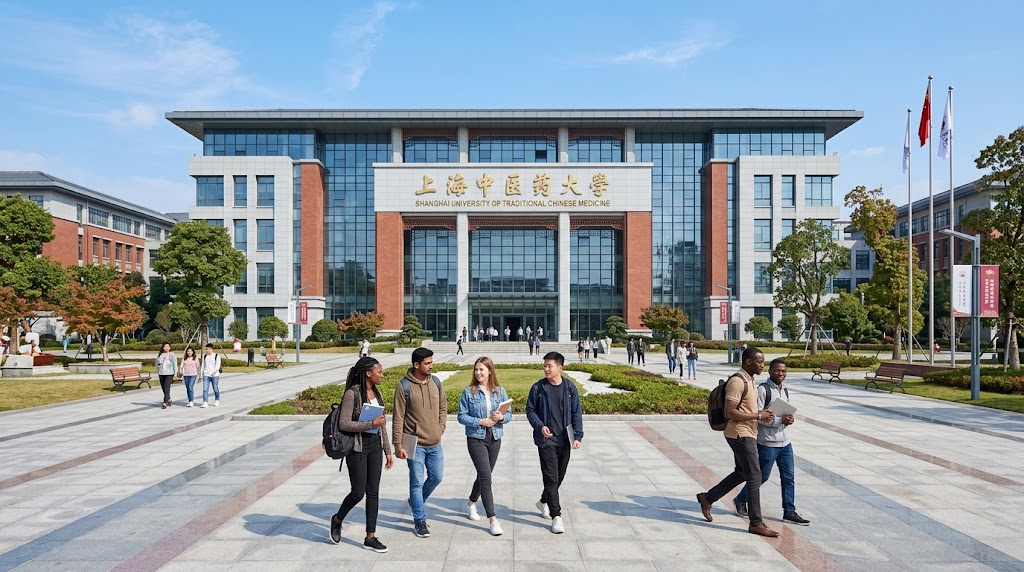
The Ministry of Education authorizes specific universities to teach English-medium MBBS to international students. A famous name alone doesn’t guarantee authorization, so always confirm a university is officially listed before applying. Well-established options include:
- Zhengzhou University
- Nanjing Medical University
- Jiangsu University
- Southern Medical University
- Sichuan University
- Wenzhou Medical University
- Ningxia Medical University
- Shihezi University
- Xuzhou Medical University
At Oscar Overseas Education, we usually guide students toward MOE-listed universities first, since these come with clear government authorization and a strong track record with international students.
Intake Dates and Timeline for 2027
Chinese medical universities admit students twice a year, giving you flexibility to plan around your school schedule.
- Autumn intake (September): Applications open around March 1 and close by late October.
- Spring intake (March): Applications open around October and close by late January.
For a smooth 2027 start, aim to finalize your shortlist by December 2026, complete CSCA and English tests by February 2027, and submit documents at least two months before your target intake. Early applications almost always mean better university and scholarship options.
Step-by-Step Application Process
- Shortlist 3 to 5 MOE-listed universities that match your budget and goals.
- Prepare and notarize your documents.
- Take the CSCA test if your chosen university requires it.
- Submit your online application along with the application fee.
- Receive your pre-admission letter, usually within 7 to 10 days.
- Pay your first-year tuition deposit to confirm your seat.
- Receive your official admission letter and JW202 form, both needed for your visa.
Visa Process for Studying Medicine in China
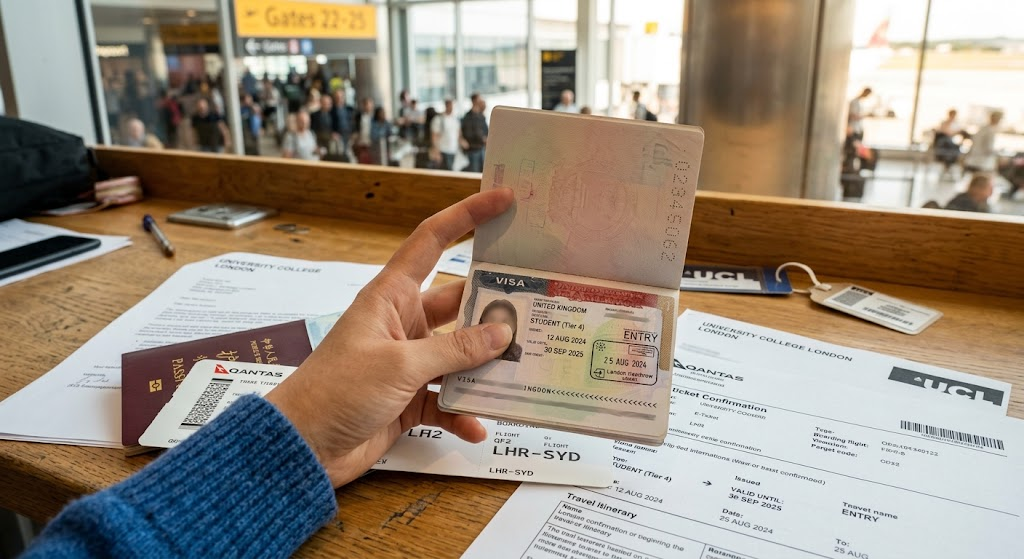
Once you have your admission letter and JW202 form, you’re ready to apply for an X1 student visa at your nearest Chinese embassy or consulate. Here’s what makes this step easy to manage:
- Submit your passport, admission letter, JW202 form, and a completed visa application form.
- Pay the visa fee, which varies by country but is usually modest.
- Processing typically takes 4 to 10 working days, so apply with some buffer time before your flight.
- After arriving in China, register for your residence permit within 30 days. Your university’s international office will usually walk you through this.
This entire process is far more straightforward than it sounds on paper, especially with a checklist in hand.
Will Your Medical Degree Be Recognized at Home?
This is the one step competitors often skip, and it deserves real attention. Before you commit to any university, check three things with your home country’s medical council:
- Whether Chinese MBBS degrees are accepted for licensing exams in your country
- Whether the specific university you’re choosing is on any approved list your country maintains
- What licensing exam or additional steps you’ll need to complete after graduation
Most countries do recognize Chinese medical degrees, especially from WDOMS-listed universities, and thousands of graduates successfully register and practice each year. A quick email to your medical council before you apply gives you total peace of mind for the six years ahead.
Common Mistakes to Avoid
A little planning goes a long way here. Keep these tips in mind:
- Don’t choose a university purely by name recognition. Confirm MOE authorization first.
- Don’t skip Chinese language basics. Many programs require HSK 4 to graduate, even if classes are in English.
- Don’t count only first-year costs. Budget for all six years, including exam fees and internship costs.
- Don’t wait until the last month to apply. Early applications get better dormitory and scholarship options.
- Don’t work part-time on a student visa. China’s rules here are strict, and it’s simply not worth the risk when tuition is already this affordable.
Frequently Asked Questions
Is IELTS required to study medicine in China?
Not always. Many universities waive IELTS if your previous schooling was in English or if you pass an internal English assessment instead. It’s one of the easier parts of this whole journey.
Are there scholarships for MBBS students in China?
Full scholarships at the admission stage are rare, but many universities offer partial, merit-based scholarships once you’re enrolled. It’s a nice bonus to work toward after your first year.
Can I do my internship year in my home country?
No, Chinese universities require the internship year to be completed at an affiliated teaching hospital in China. This actually works in your favor, since it means richer, hands-on clinical exposure before graduation.
How long does the whole application process take?
From document submission to receiving your admission letter, most students hear back within 30 to 40 working days, with an early pre-admission letter often arriving in just over a week.
Final Thoughts
Studying medicine in China is a genuinely achievable path to becoming a doctor, especially if you plan your university choice, budget, and recognition check ahead of time. With the right guidance, every step from application to visa becomes simple and stress-free.
If you’re ready to explore your options, Oscar Overseas Education offers free counseling sessions to help you shortlist the right university, check your eligibility, and plan your entire journey from application to arrival. Book your session today and take the first confident step toward your medical career.